
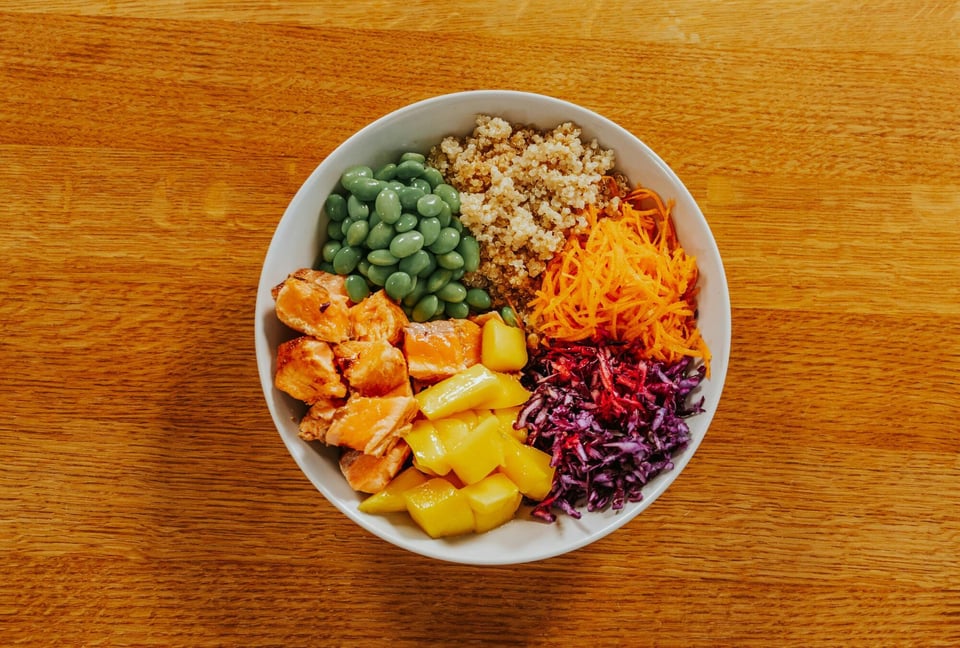
Low-fiber foods may be needed for seniors if they've had intestinal surgery, have flare-ups, or have bowel obstructions. Some good foods that are low in fiber are white rice, eggs, white bread or toast, yogurt, and skinless chicken or turkey.
The AARP says that once we're older than 50, it's common to experience new digestive issues. While you may have eaten the same things for decades, suddenly, they may give you problems.
While we can't stop our bodies from aging, we can certainly change our diets to feel better. In some cases, seniors in Oviedo, FL, may need to turn to low-fiber foods, as these can alleviate GI tract issues.
But when should you make the switch, and which foods should you eat?
Why Would a Person Be on a Low-Fiber Diet?
Fiber adds bulk to stool, which is usually helpful. But if you have inflammation, narrowing, or irritation in the intestines, this can be detrimental. You may experience pain, cramping, or blockages.
So usually, a low-fiber diet is recommended when the digestive system needs rest or is having trouble processing bulky foods. For example, they may be placed on this type of diet:
- After surgery (especially involving the intestines)
- During flare-ups of conditions like diverticulitis, Crohn's disease, or ulcerative colitis
- During bowel obstructions
Going on a low-fiber diet before certain medical procedures can be helpful too, such as a colonoscopy.
In general, a low-fiber diet can help reduce stool volume and frequency. This makes digestion easier, and it allows your digestive tract time to heal and recover.
What Foods Are Low in Fiber?
Being knowledgeable about digestive health in aging can really help improve your quality of life. But nutrition for seniors can be difficult if you've been put on special diets for older adults.
Here's what you can eat that's low in fiber and nutritious too.
White Rice
White rice is low in fiber and very easy to digest. This makes it ideal for seniors with:
- Sensitive stomachs
- Digestive flare-ups
- Recovery from illness or surgery
What's great is that it can provide you with a quick source of energy, and it won't put a strain on your digestive system.
White rice is also versatile, so you can get personalized meal support. For example, you can pair it with soft proteins and cooked vegetables so you get a balanced and gentle meal.
Eggs
Eggs actually have no fiber and are an excellent source of high-quality protein, which is essential for maintaining muscle mass and strength. They're also a good source of important nutrients like vitamins B12 and D; they support brain and bone health.
Eggs are soft and easy to chew and digest, so this makes them perfect if you're an older adult with dental issues or a reduced appetite. This low-fiber food will allow you to lead an active lifestyle with plenty of energy and little stomach upset.
White Bread or Toast
White bread or toast is very simple, but it definitely addresses senior digestive needs if you're not feeling great. White bread that's made from refined flour is low in fiber and gentle on the digestive system. Plus, it's easy to chew and swallow.
White toast can settle the stomach too, and eating it is a simple way to get calories and energy. It can be quite helpful when you don't have an appetite.
Yogurt
There are many health benefits of yogurt, including it being low in fiber and rich in protein and calcium.
Many yogurts also have probiotics, which can support healthy gut bacteria and improve digestion. This is beneficial if you take antibiotics or have digestive issues.
Skinless Chicken or Turkey
Skinless poultry is always a great idea since it's naturally low in fiber and has lean protein that helps you maintain strength, mobility, and immune function.
You can bake, boil, or shred chicken or turkey. And because poultry is so versatile, you can even make it for date night!
Frequently Asked Questions (FAQs)
How Do You Know if You Need More or Less Fiber?
Luckily, your body usually gives clear signals about whether you need to adjust your fiber intake.
For example, you may need more fiber (along with more fluids) if you have these issues:
- Frequent constipation
- Hard stools
- Irregular bowel movements
On the other hand, you may need less fiber for a period of time if you're experiencing the following, especially after surgery or during a flare-up of a digestive condition:
- Bloating
- Gas
- Abdominal cramping
- Diarrhea
- Digestive discomfort
It's best to consult with your doctor to see whether increasing or temporarily reducing fiber is best for your health.
What Snacks Can You Eat on a Low-Fiber Diet?
On a low-fiber diet, you should focus on foods that are easy to digest and gentle on the GI tract. This means that good snack options are:
- Yogurt
- Pudding
- Custard
- Gelatin
- Applesauce
- Ripe bananas
- White toast with a little butter or smooth peanut butter
- Crackers made from refined white flour
- Plain muffins
- Small portions of cake (without nuts or seeds)
If you want something protein-rich, then opt for cottage cheese, string cheese, or slices of mild cheese.
What Condiments Can You Eat on a Low-Fiber Diet?
Condiments are things people don't usually think about when on a diet. Fortunately, most are naturally low in fiber, but it's still important to choose smooth, seed-free options.
Examples here include:
- Ketchup
- Mustard
- Mayonnaise
- Smooth salad dressings
- Barbecue sauce
- Soy sauce
- Gravy
- Butter
- Margarine
- Cream cheese
- Sour cream
- Plain salad dressings
Try These Low-Fiber Foods
If you've been having digestive issues, then you may need to try low-fiber foods. These can make digestion easier and help soothe your GI tract, and you won't be so uncomfortable anymore.
But you should always check with your doctor before making dietary changes. They can help you figure out the best course of action and advise you on when to go back to a regular fiber intake.
Get in touch with us today if you want to learn more about senior living in Oviedo, FL. The Tremont has pet-friendly apartments that have personalized climate control with self-regulated heating and air-conditioning.