
Some volunteer opportunities for seniors include crisis hotline help, community outreach and facilitation, and administrative and program support.
Behavioral health encompasses mental health conditions, substance use disorders, stress-related concerns, and emotional well-being. It includes services that address anxiety, depression, trauma, addiction recovery, crisis intervention, and more. While licensed clinicians provide diagnosis and treatment, volunteers often serve in complementary roles that enhance access, comfort, and community outreach.
According to a report by Independent Sector and AARP, 47 percent of working Americans 50 years and older volunteer, while 42 percent of retired Americans in this age group volunteer for behavioral health and for other reasons in Oviedo, FL.
Retirees are uniquely positioned to contribute in this space. Many bring decades of professional expertise, from healthcare and education to business, ministry, or social services, along with the patience and communication skills developed over a lifetime.
Why Retirees Are Valuable in Behavioral Health Settings
Behavioral health volunteering seniors often possess qualities that are especially beneficial in behavioral health environments:
- Life Experience: Retirees can relate to diverse life transitions, grief, caregiving challenges, and resilience.
- Strong Listening Skills: Years of personal and professional interaction often sharpen empathy and active listening.
- Stability and Commitment: Many retirees have flexible schedules, allowing consistent volunteer hours.
- Mentorship Capacity: Older volunteers can serve as mentors for younger staff, clients, or peer volunteers.
These strengths can help reduce stigma, foster connection, and build trust in behavioral health programs.
Mental Health Volunteer Roles for Older Adults
Behavioral health organizations offer a range of volunteer opportunities suited to varying comfort levels and backgrounds. Some of them are:
Community Mental Health Support Volunteers
Some organizations train volunteers to serve as peer supporters, individuals who offer encouragement and share personal recovery or coping experiences in a structured, supervised setting. This role does not involve therapy but focuses on empathy, hope, and practical support.
Crisis Hotline Volunteer
Purpose-driven service retirement seniors with strong communication skills may volunteer for supervised crisis or support hotlines. Training is typically provided to ensure volunteers understand confidentiality, de-escalation, and referral protocols. This role can be done remotely in some programs.
Support Group Facilitator Assistant
Seniors involved in non-clinical health volunteering often assist licensed facilitators by organizing materials, welcoming participants, and helping maintain a safe, structured environment during group sessions. They do not require a medical degree for this, as they are always supervised by professionals.
Community Outreach and Education
Retirees can represent behavioral health organizations at health fairs, senior centers, and community events. Outreach roles may involve distributing materials, sharing information about services, and reducing stigma surrounding mental health.
Administrative and Program Support
Behind-the-scenes assistance is critical. Volunteers may help with scheduling, data entry, fundraising events, or grant preparation. These tasks free up clinicians to focus on client care.
Companion or Friendly Visitor Programs
Some behavioral health organizations partner with senior services to provide companionship for individuals experiencing loneliness, depression, or isolation. Volunteers offer regular check-ins and social engagement rather than clinical support.
Training and Requirements
Most behavioral health volunteer roles require orientation and training. This ensures volunteers understand:
- Confidentiality and privacy standards
- Professional boundaries
- Crisis response procedures
- Cultural sensitivity
- Ethical responsibilities
Retirees interested in volunteering should inquire about time commitments, required training hours, and emotional readiness for the role. Behavioral health work can be deeply rewarding, but it also requires resilience and self-care.
How to Get Started: Volunteer for Behavioral Health
Retirees interested in behavioral health volunteering can begin by:
- Researching local nonprofit mental health organizations, hospitals, and community clinics.
- Contacting senior centers or volunteer matching services.
- Attending informational sessions or orientation events.
- Assessing personal interests and comfort levels.
It is important to select a role aligned with one's emotional capacity and schedule. Starting with a small time commitment can help ease the transition.
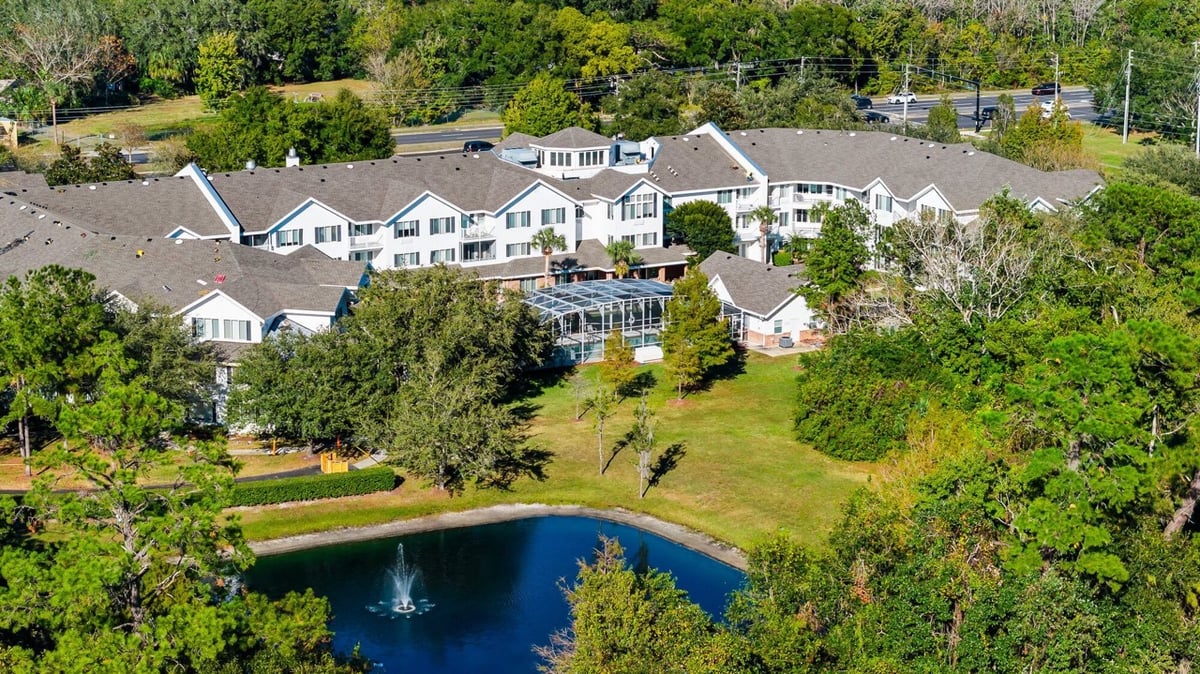
If you are living in an independent living community in Oviedo, FL, you can speak to your care coordinator to see if they set up any volunteer opportunities for residents.
Frequently Asked Questions
Do I Need A Background In Psychology To Volunteer?
No. Most behavioral health volunteer roles do not require a clinical background. Organizations provide training tailored to the specific position. However, certain roles may require professional credentials, so it is best to confirm requirements in advance.
Are Volunteer Roles Emotionally Challenging?
Some roles, particularly crisis support or peer mentoring, can involve emotionally sensitive conversations. Training and supervision are provided to help volunteers manage these experiences. Choosing a role that matches your comfort level is important.
How Much Time Do I Need To Commit?
Time commitments vary. Some programs require a few hours per week, while others request longer-term commitments to ensure consistency for clients. Flexible and remote options may also be available.
Can Volunteering Improve My Own Mental Health?
Yes. Studies suggest that volunteering can improve mood, reduce feelings of isolation, and increase overall life satisfaction. Many retirees report feeling more energized and connected after becoming involved.
What Skills Are Most Valuable In Behavioral Health Volunteering?
Empathy, patience, reliability, and good listening skills are highly valued. Clear communication and respect for confidentiality are also essential.
Is There An Age Limit For Volunteering?
Most organizations welcome volunteers of all ages, provided they meet background and training requirements. Many actively seek older adults due to their life experience and availability.
Can I Volunteer If I Have Personal Experience With Mental Health Challenges?
Yes, in many cases, personal experience can be an asset, especially in peer support roles. Organizations will assess readiness to ensure volunteers feel stable and prepared to help others responsibly.
Purpose-Driven Service in Retirement Can Be Highly Fulfilling
Seniors who volunteer for behavioral health receive a meaningful way to contribute while nurturing their own well-being. With proper training and support, older adults can play a vital role in strengthening mental health services in their communities.
At The Tremont, we offer exceptional senior living in Oviedo, FL, with lots of opportunities for residents to stay active and involved in the community, like bowling, chair exercises, shopping visits to nearby malls, The Tremont Horse Derby, and more.
Schedule a tour of our community to see if we are a fit for you.